Dynamic interventions using the healing power of rhythm.
Rhythm2Recovery utilises fun and engaging rhythmic musical activities combined with reflective discussions to support social and emotional development.
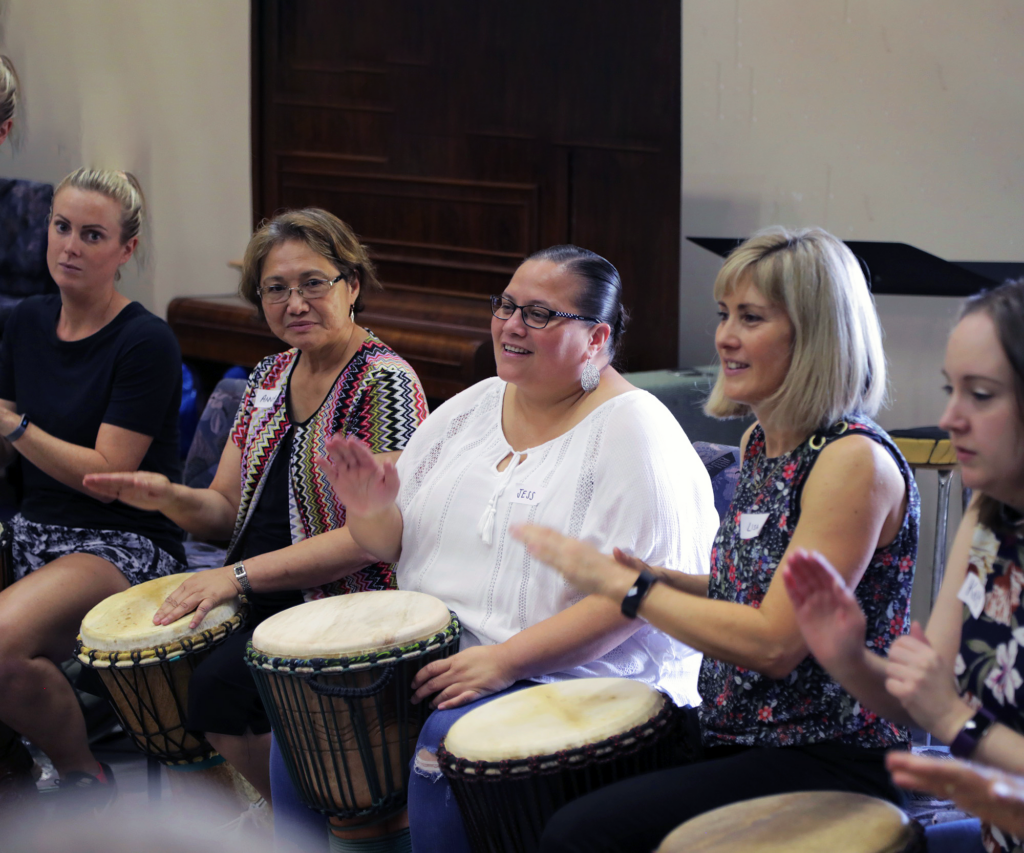
Group training
Dynamic, practical, evidence-based, training in support of social & emotional health.
Online training
Access comprehensive online training and resources for therapists and educators, including over 200 videos on-demand.
Program manuals
Evidence-based manuals addressing Bullying, Special Needs, Violence, Alcohol & Drug Use, Healthy Relationships and more.
New
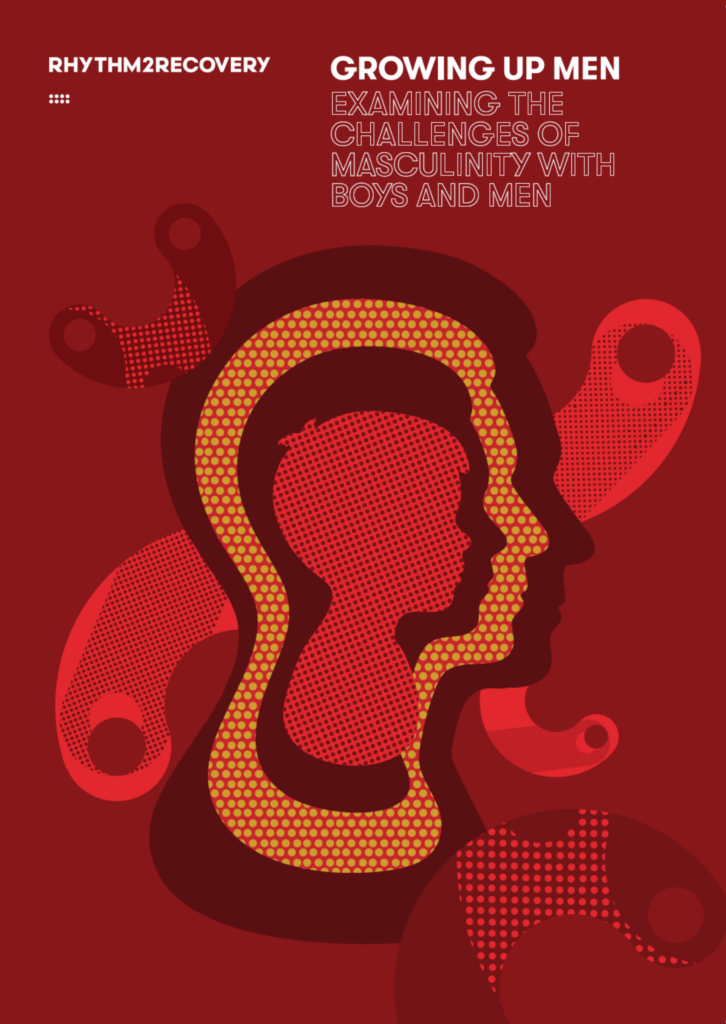
Growing Up Men
Examining the challenges of masculinity with boys and men.
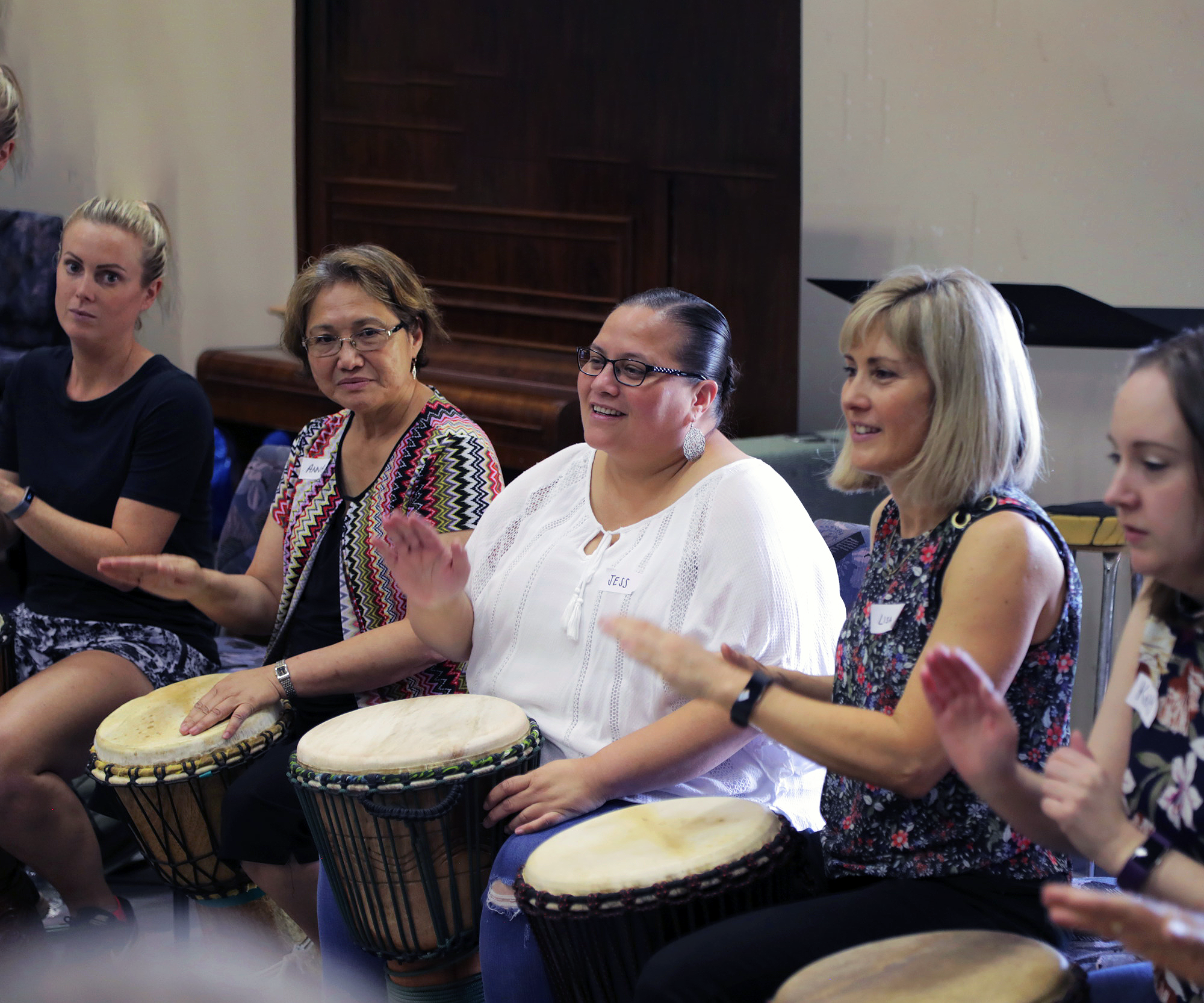
The R2R model has been shown to support improved emotional regulation and social connection, while reducing elements of psychological distress.
Training videos
If you’ve completed facilitator training, live or online, you can access over 200 videos of R2R exercises and games.
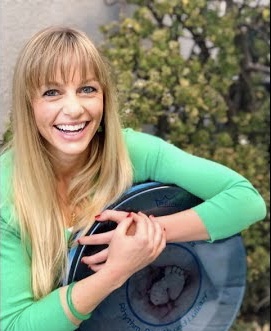
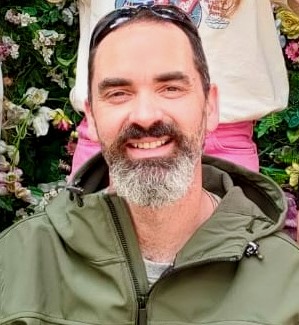
Our team
The R2R team is led by founder Simon Faulkner, a leading practitioner in the design and delivery of programs that utilise rhythm to assist with social and emotional learning and recovery.
Products
Combining rhythmic music and movement with cognitive reflection and mindfulness, our manuals show how drumming and other rhythm-based exercises can have a powerful effect in individual, group and family settings.
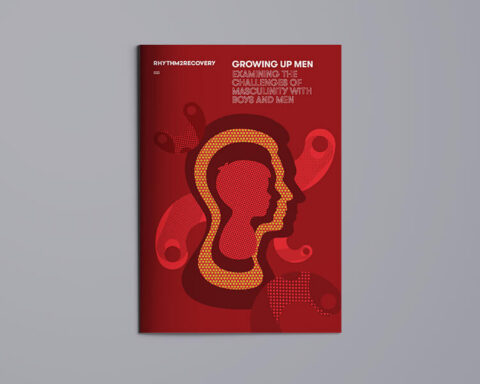
Growing Up Men – Exploring Masculinities
A 10 session course exploring different aspects of masculinity with a focus on good mental health, a positive sense of self and healthy relationships.
$40.00
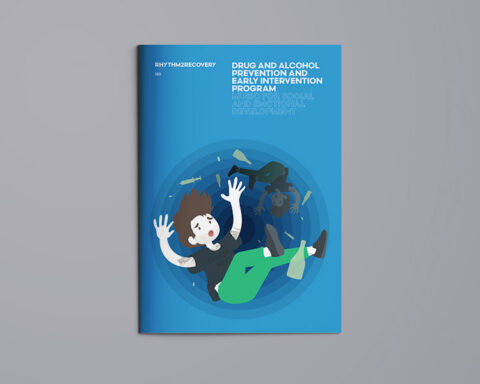
Alcohol & Drug Prevention & Early Intervention Program
A twelve session program that explores social and emotional issues relevant to drug and alcohol misuse.
$40.00
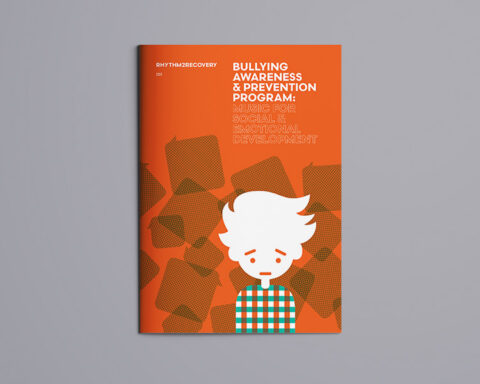
Bullying Awareness & Prevention Program
An eight week, structured program that addresses Bullying issues in schools.
$40.00
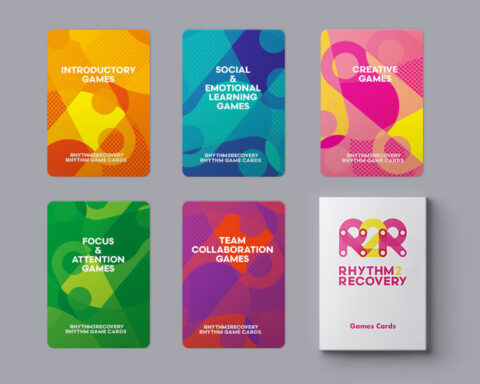
Frequently asked questions
R2R is a model of practice for supporting social and emotional health that combines simple rhythmic music with reflective discussions. Developed by Simon Faulkner in 2003, it consists of over 200 fun and engaging musical exercises that each prompt discussion and increase awareness on a broad range of life issues. Supported by a significant evidence-base this work has been shown to support improvements in social & emotional health and reductions in psychological distress.
Accredited facilitators around the world deliver R2R programs to a wide range of population groups, across all ages and genders, presenting with diverse challenges.
These include participants in:
- Youth centres
- Schools – early education, primary & secondary levels
- Special Needs Education
- Behavioural centres
- Trauma Centres
- Refugee Services
- Women’s refuges
- Mental Health Services – inpatient, outpatient and community based
- Prisons – adult & juvenile
- Indigenous communities
- Aged Care